
Every sport has their own, but numbers have always been important in baseball. I mean, a third of the standard positions have a number in it.
But lately, they’ve taken on a different shape, a form with a foundation draped in history but really just recent history. And by recent, I mean within the last quarter-century recent. Which means those obsessed with analytics and everything that comes with that look past the greatness that was Bob Gibson.
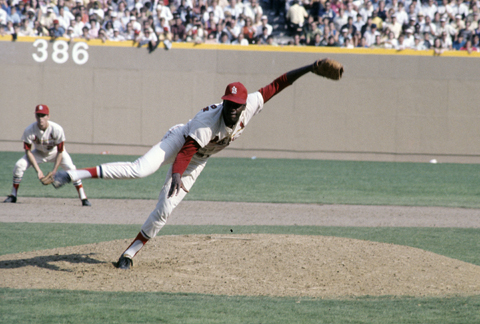
He pitched in a time when finishing all nine innings was expected. When batters abhorred striking out, so to average about 7.5 per nine innings was impressive. When the inside part of the plate was the pitcher’s and batters were brushed back without fear of suspension for “getting too close”.
It was a different time, one where part of the American population was still being treated as third-class citizens and young men were being sent overseas. Therefore players and people in general had other things to concern themselves with and how you ‘felt’ about it wasn’t given nearly as much credence as today.
Gibson was raised in the slums of Omaha, Nebraska, was turned down by Indiana University because they’d already filled their black basketball player quota and was forced to stay apart from him teammates both at Creighton University and spring training with the Cardinals.
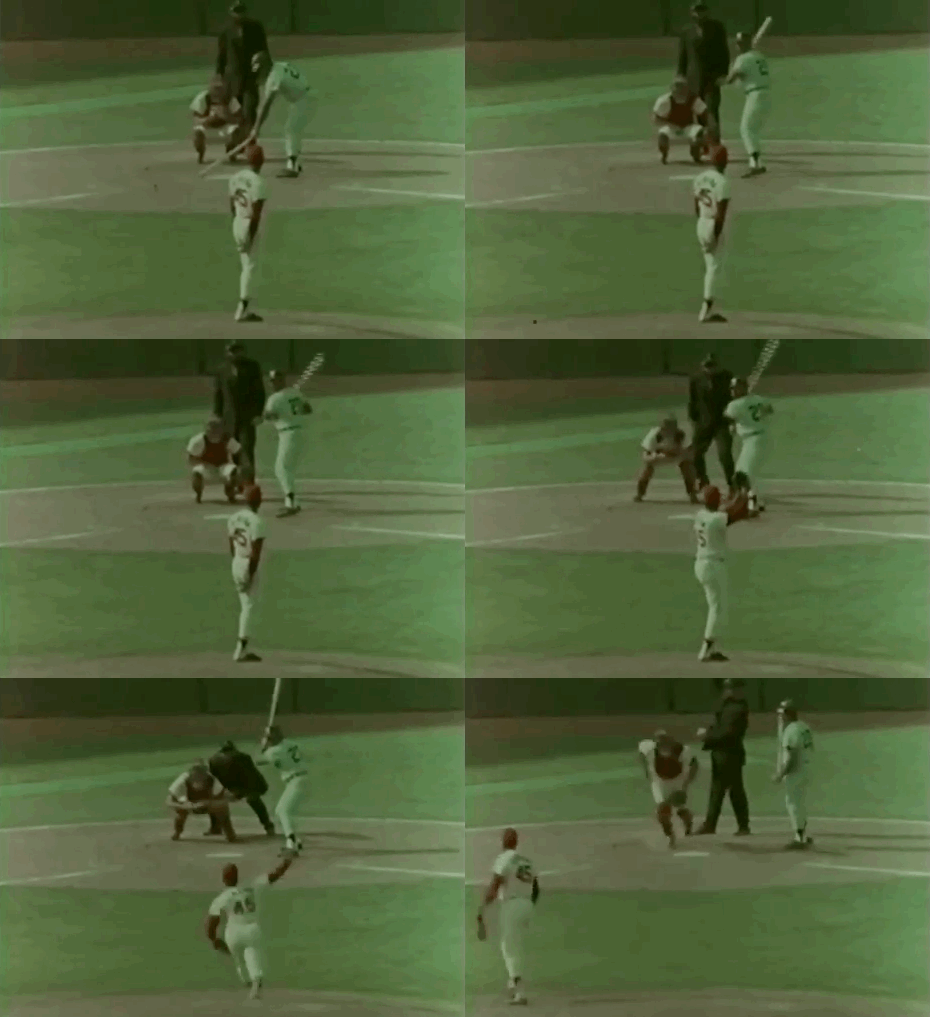
He also struck out 3,117 over a 17-year career that included 255 complete games, 56 shutouts, a 2.91 career ERA and the magical 1968 season when he was 22-9 with a 1.12 ERA and 268 strikeouts which earned him both the Cy Young Award and the league MVP.
The number I care about the most is relatively new, but the concept of it is basic. WHIP stands for Walks and Hits per 9 innings. In ’68, Gibson’s WHIP was .8534 which is amazing, but it wasn’t even the best that year.
He was and still is overshadowed by lesser players and that’s a shame for a first ballot Hall of Famer.

 Martin Kester - My Digital World